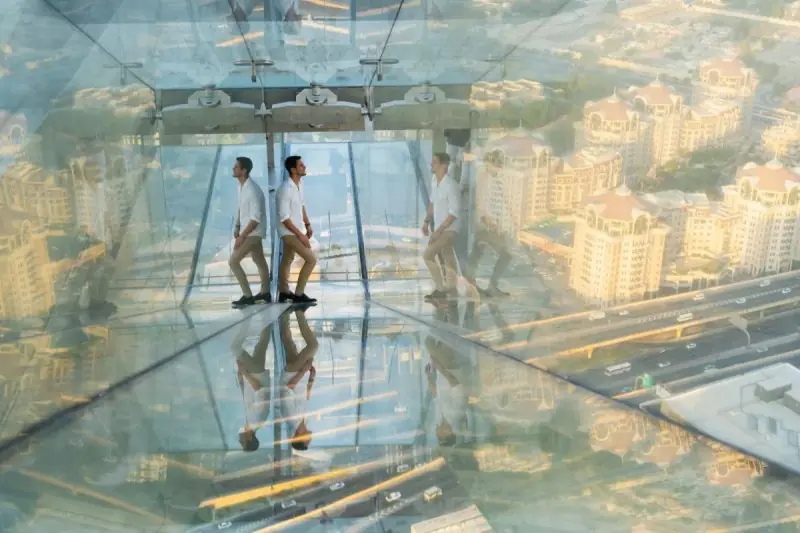
Comparing Sky Views Dubai : Sunset vs. Night Photography

Comparing Sky Views in Dubai: Sunset vs. Night Photography

The Allure of Dubai’s Skyline at Sunset

Dubai’s skyline transforms dramatically during the sunset, presenting a captivating spectacle that combines nature’s art with modern architecture. The unique interplay of light and color at this time of day creates an enchanting atmosphere, making it an ideal moment for both locals and visitors to appreciate the city’s remarkable beauty.

As the sun descends towards the horizon, it casts a warm golden glow across the skyline, enhancing the silhouette of iconic landmarks such as the Burj Khalifa and the Burj Al Arab. This magical hour results in a rich color palette, featuring hues of orange, pink, and purple that blend seamlessly into the deepening blue of the evening sky. These colors juxtapose starkly with the sleek glass and steel structures, amplifying the visual impact of Dubai’s architectural marvels.

To capture the stunning scenes during sunset, one must select the right vantage points. Popular locations include the Dubai Marina, where the sunset reflects off the water, creating shimmering patterns that complement the skyline. Other notable spots are Kite Beach and the Dubai Creek, both offering unique perspectives of the city during this golden hour. The atmospheric conditions, often marked by minimal pollution and clear skies, further enhance the clarity and vibrance of the skyline.

Photographers aiming to document this scenic beauty are encouraged to arrive earlier to set up and experience the gradual transition of light. Utilizing filters can also help manage the contrast between the bright sky and the darker buildings. Overall, witnessing Dubai’s skyline at sunset is not merely about capturing an image; it is an experience steeped in emotion and aesthetic pleasure.

Nighttime Magic of Dubai’s Urban Landscape

The skyline of Dubai transforms after sunset, revealing a breathtaking urban landscape that captivates both residents and visitors. As the sun dips below the horizon, vibrant lights begin to twinkle, creating a spectacular contrast against the darkening sky. The city’s architectural marvels, such as the Burj Khalifa and the myriad of skyscrapers, become beacons of light, showcasing the fusion of modernity and art that defines Dubai.

Nighttime photography in Dubai offers unique artistic opportunities. The dramatic interplay of lights and shadows allows photographers to explore long exposure techniques. This method effectively captures the vibrant movement of bustling streets, making the static nature of buildings come alive as dynamic visuals. The rich colors reflected in the water of the Dubai Marina and the illuminated facades of the city create a unique canvas that is both engaging and visually striking.

Certain locations are particularly noteworthy for capturing these nocturnal views. The Palm Jumeirah, with its stunning vistas and luxury properties, along with the Dubai Fountain, which synchronizes its water displays to music at night, provide abundant material for photographers seeking to portray the essence of Dubai’s nighttime allure. Additionally, locations like Al Seef and the historic Dubai Creek offer a contrasting glimpse of the city’s heritage against a backdrop of bright lights. Each of these sites provides a unique perspective that emphasizes the city’s eclectic charm.

The dynamic nightlife in Dubai further complements the visual experience, as vibrant bars, restaurants, and clubs fill the streets with life. Photographers can capture the essence of this night scene, portraying both the energy of the social scene and the city’s stunning architecture. Overall, the nighttime magic of Dubai presents endless opportunities for creative expression through photography, encompassing the liveliness and beauty of the urban landscape after dark.

Comparative Analysis: Sunset vs. Night for Photography

When it comes to photography in a vibrant city like Dubai, the choice between capturing images at sunset or during the night presents unique opportunities and challenges. Each time of day offers distinct lighting conditions that significantly influence the aesthetics of the photographs.

During sunset, the golden hour provides a warm, soft light that emits a serene glow, enhancing the natural beauty of the landscape. Photographers often find that the colors of the sky—ranging from vibrant oranges to deep purples—create an ideal backdrop for capturing the architectural marvels of Dubai. Typical camera settings during this period include a lower ISO to reduce grain, a moderate aperture (f/8 to f/11) for optimal depth of field, and slower shutter speeds to allow more light to enter the lens.

In contrast, night photography highlights the city’s dynamic energy through artificial lighting. The neon lights and illuminated buildings create a lively contrast against the darkened sky. However, nighttime shooting usually necessitates different techniques, such as stabilizing the camera to compensate for longer exposure times. Settings often involve a higher ISO to capture the available light, wide apertures (f/2.8 or wider) for better light collection, and adjustment of shutter speed to prevent overexposure.

Each time period carries its emotional resonance. Sunset photography often conveys a sense of tranquility and reflection, typically evoking feelings of peace and closure to the day. On the other hand, night photography tends to evoke a sense of excitement and vibrancy, offering an exhilarating experience as the city comes alive. This emotional impact can guide a photographer’s choice depending on the story they wish to tell.

In conclusion, both sunset and night photography have their pros and cons. Sunset captures natural beauty and warmth, while night photography brims with energy and excitement. Ultimately, the ideal choice depends on the photographer’s intent and the specific scene being captured.

Best Times to Visit Dubai for Stunning Views

When planning a visit to Dubai for photography, particularly for capturing breathtaking sunset and night imagery, understanding the seasonal variations is crucial. The optimal times for viewing the skyline tend to vary across the year, influenced by both weather patterns and local events. Generally, the months from November to March offer the most favorable weather conditions, with cooler temperatures and lower humidity. This makes it an ideal period for photographers looking to maximize their outdoor excursions.

In these months, average temperatures range from 20°C to 25°C (68°F to 77°F), creating a comfortable atmosphere for both daytime explorations and evening shoots. Additionally, during this season, the sky tends to be clearer and more vibrant, enhancing both sunset colors and the brilliance of the city lights at night. Photographers are encouraged to take advantage of the extended daylight hours during these months, which can provide opportunities for both golden hour shots and late-night captures.

Moreover, notable events and festivals held in Dubai, such as the Dubai Shopping Festival in January and various cultural celebrations throughout the winter months, can enrich the skyline and present unique photography opportunities. During these times, iconic locations like the Burj Khalifa and Dubai Marina become even more stunning, adorned with festive lights and decorations.

For sunset photography, arriving at prime locations like the Dubai Frame or the beach areas at least an hour before sunset is advisable. This allows photographers to set up their equipment and capture the transition from daylight to the enchanting twilight glow. Conversely, for night photography, exploring busy areas like Downtown Dubai or the Waterfront Promenade offers vibrant atmospheres with dynamic light displays. In conclusion, by choosing the right time of year and familiarizing oneself with local events, photographers can significantly enhance their experience and output, ensuring memorable captures of Dubai’s stunning views.